
MBBS In India For Indian Students
Preparing students for higher education with academic rigor and global readiness.
Program Overview - MBBS In India
MBBS in India is one of the most preferred career paths for students who aspire to become medical professionals. The medical education system in India is globally recognized for its strong academic foundation, advanced clinical training, and experienced faculty. Vikasarth Education guides students at every step to help them achieve their dream of pursuing MBBS in India.
India has a well-structured medical education system with some of the finest medical colleges and universities. At present, there are over 600 medical colleges in India, including government and private institutions approved by the National Medical Commission (NMC). Admission to MBBS programs in India is strictly based on NEET-UG, which is mandatory for all Indian students.
Pursuing MBBS in India requires consistent hard work, dedication, and strong determination. Students face competitive examinations, long study hours, and rigorous clinical training. However, the journey is rewarding, as MBBS graduates gain respect, stability, and diverse career opportunities in India and abroad.
Highlight
Duration
4.5 years of academic study and 1 year of compulsory rotating internship
Level
Undergraduate Medical Degree
Focus
Clinical Excellence, Global Standards, Practical Training, Medical Career Readiness
Core Subjects
Pre-Clinical Subjects (Years 1–2), Para-Clinical Subjects (Years 2–3), Clinical Subjects (Years 3–6)
Electives
Cardiology, Neurology, Oncology, Radiology, Critical Care, Public Health
Co-Curricular Activities
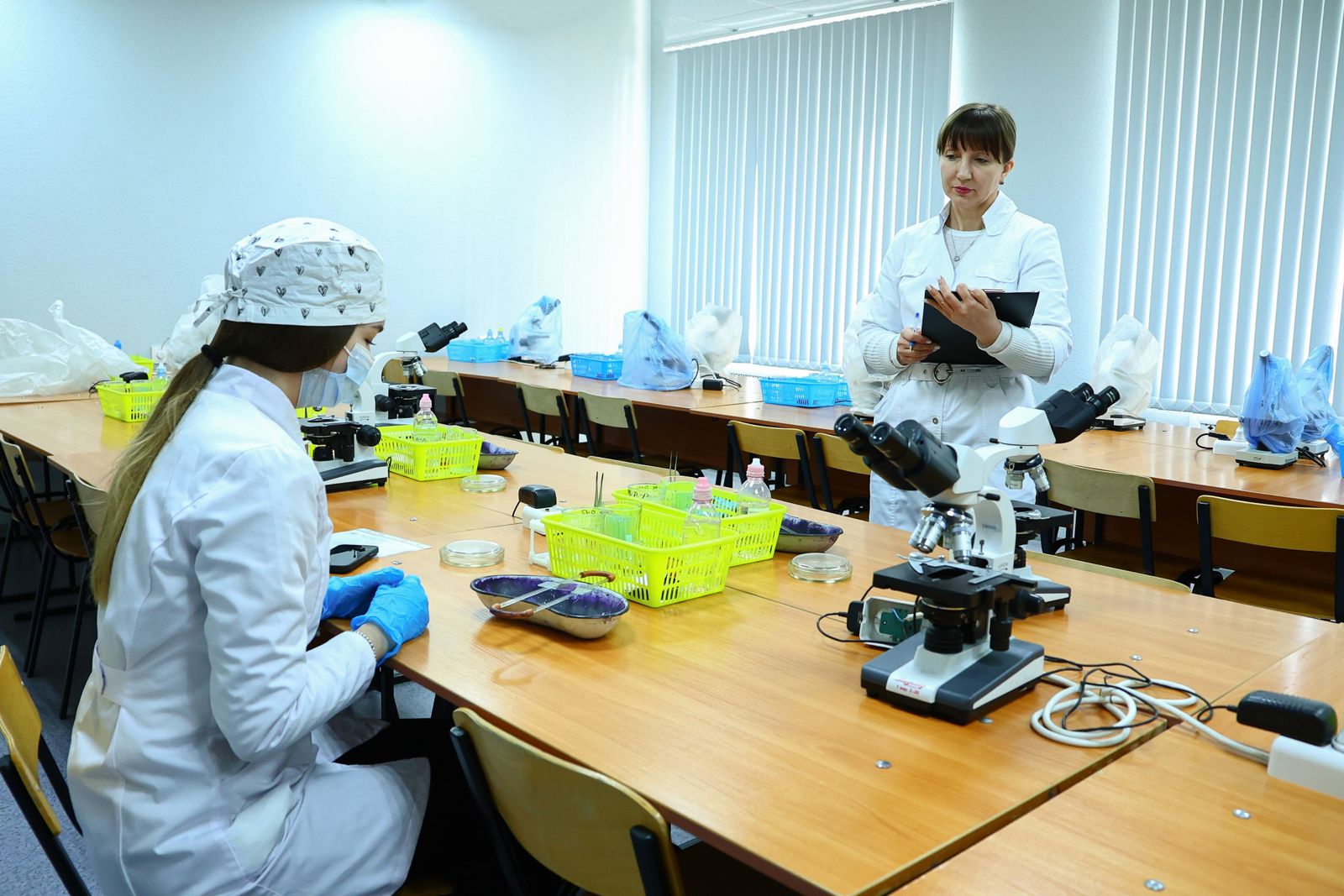
Clinical skill labs, Medical research projects, Student medical associations, Hospital-based volunteering, International student conferences, Cultural exchange programs
Program Structure & Duration
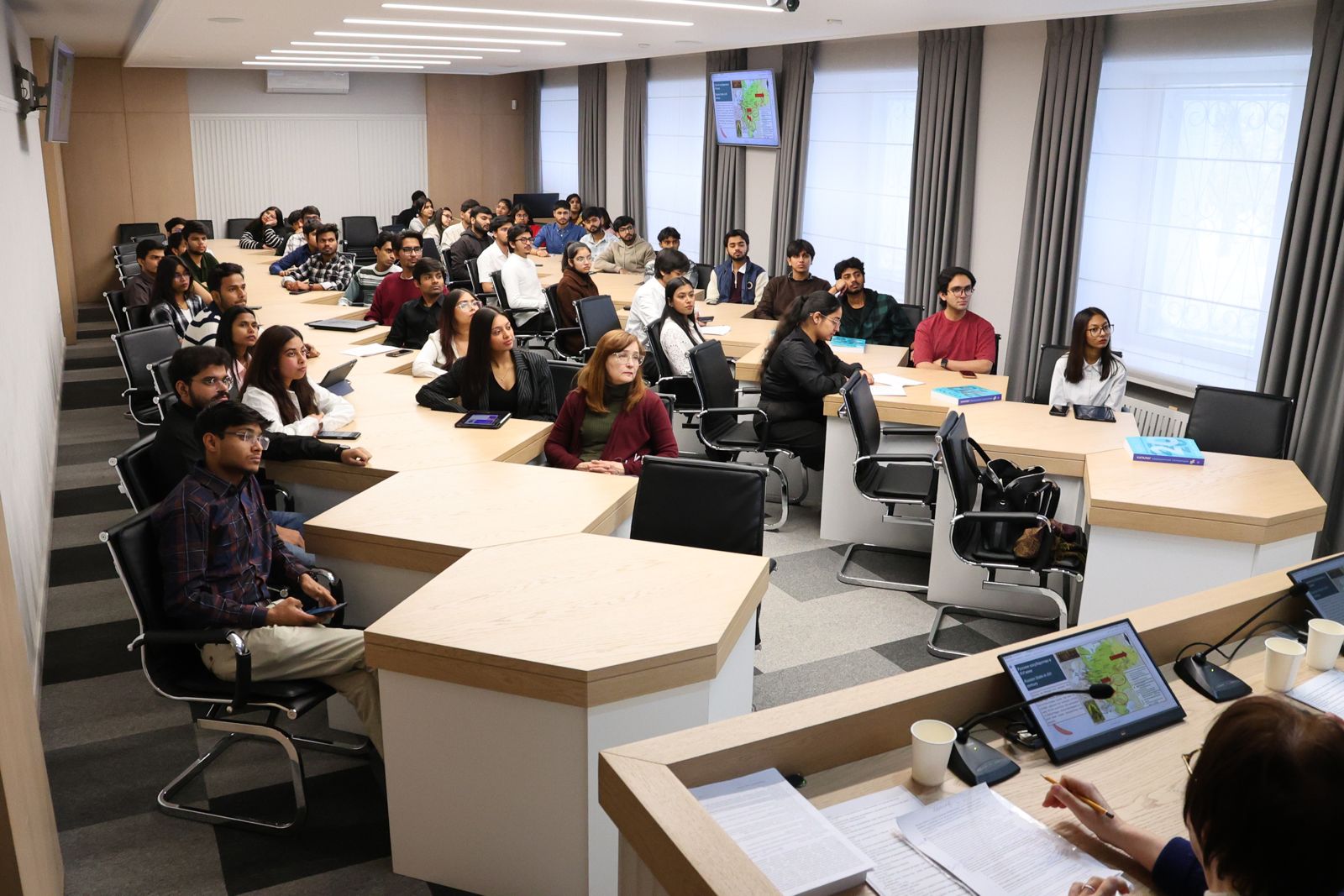
The MBBS program is typically 5–6 years, depending on the country. It includes:Pre-Clinical Training (Foundation sciences), Clinical Rotations (Hospital exposure), Internship (1-year compulsory). The course structure includes lectures, dissections, lab work, bedside teaching, simulations, and project-based assessments designed to mirror real-world medical practice.
Student Experience
Life as an MBBS student abroad goes far beyond academics:
- Daily schedules include lectures, labs, hospital postings, and study sessions.
- Students participate in skill labs, research groups, and medical clubs.
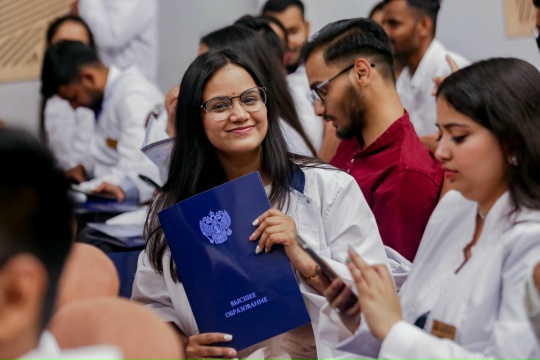
- Hostel and community life help build cultural understanding and strong peer networks.
- Alumni highlight supportive faculty, modern infrastructure, safe campuses, and affordable living.
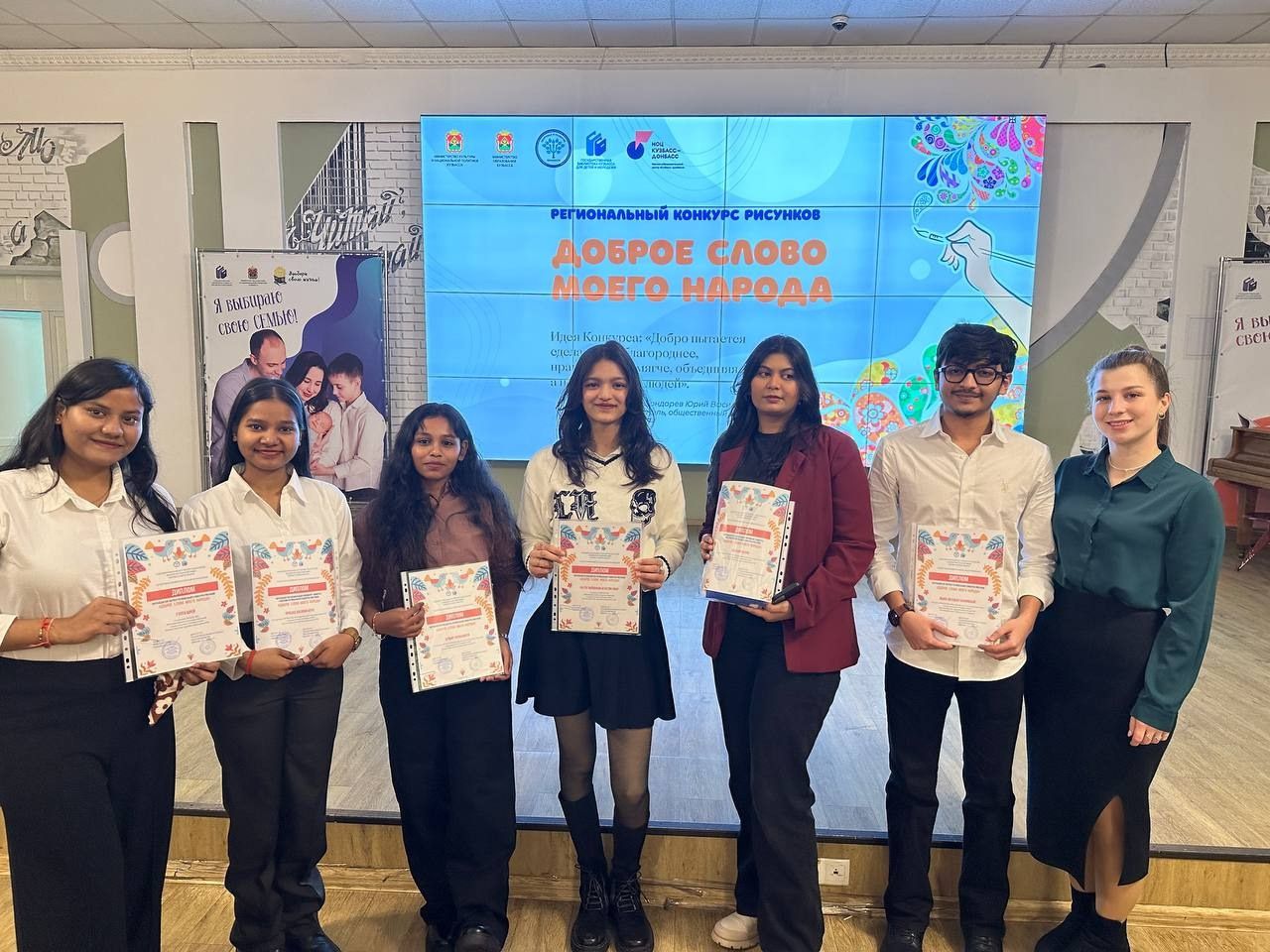
- Extracurricular activities such as sports, cultural festivals, and student associations help maintain balance between academic rigor and personal growth.
Start Your Journey to Excellence Today
Join a community of learners and leaders dedicated to shaping a brighter tomorrow.